A building is a list before it is a price
Ask a landlord in Maywood how big a property is and you will hear a lot size or a unit count. We ask a narrower question: how many fireplaces are on the lot, and what does each one burn? Maywood is a city of small parcels doing a lot of work. A front house with a rear unit, a fourplex down a long driveway, a courtyard block where every apartment got a hearth when it went up. Whitley Chimney Care prices those properties line by line, one line per fireplace, because that is how the work and the paperwork actually divide.
This post sets out our figures, what each line includes and where a building total can move.
The published figures
| Line on the invoice | Price |
|---|---|
| Routine visual check, each fireplace | $55 |
| Camera run of one flue, throat to top | $395 |
| Sweeping a flue while we are in the unit | from $425 |
Those three lines cover nearly every multi-unit visit we book. Gas fireplace cleaning, repairs and anything found on the day are separate lines, written up for the owner before any work starts.
A worked example: a Maywood fourplex where three units have a wood fireplace and the fourth has none. That is three visual-check lines at $55. If one of the three flues needs sweeping, one sweep line is added, from $425. The fourth unit does not appear on the invoice at all.
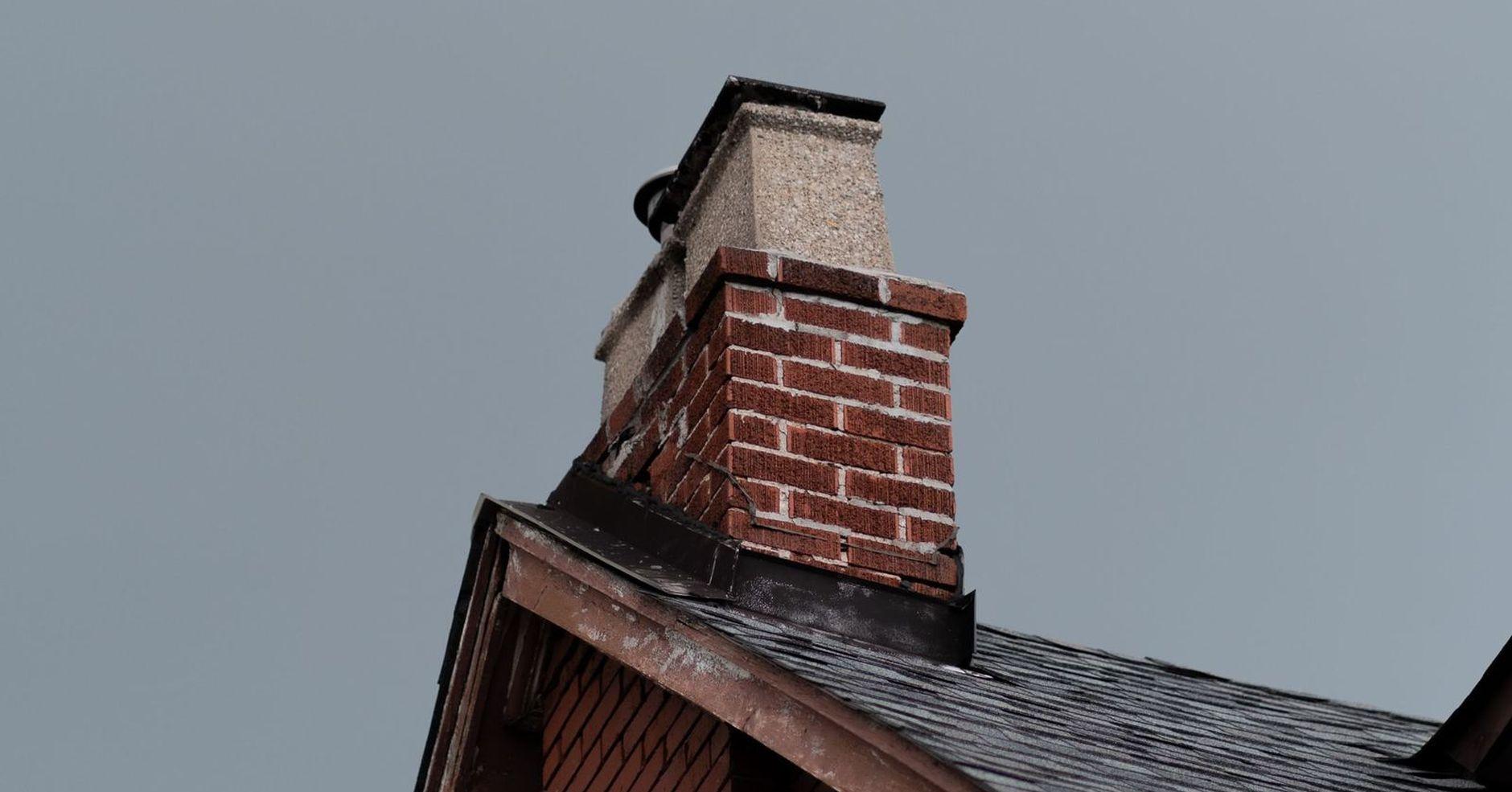
A duplex that shares one brick stack surprises a lot of owners. From the street it looks like one chimney. Inside the brick there are usually two flues, one per side, and each fireplace below gets its own line. A large single house with fireplaces in three rooms is billed the same way as three apartments.
What one visual-check line covers
For each fireplace on the list the tech works through the same short routine, so every unit's page reads the same way:
- the damper, worked open and shut, and how well it seats
- the firebox brick or panels, the hearth extension and the gap to the mantel and any trim
- the throat and as much of the flue as a strong light shows from below
- for gas units, the pilot, burner, glass front and where the vent ends outdoors
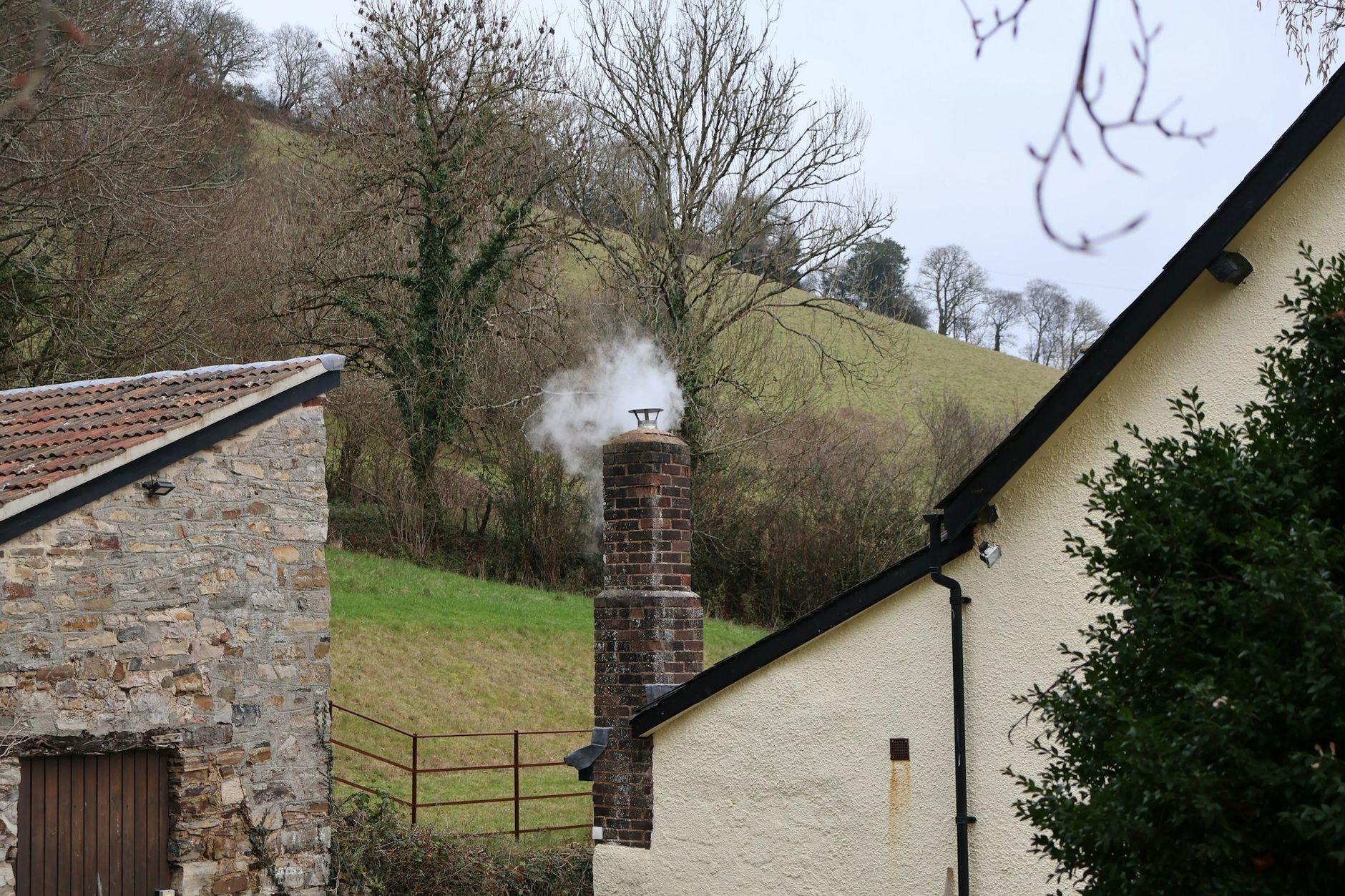
- from the roof, where it can be reached safely, the cap, the crown and the metal where the stack meets the roofing
Each fireplace then gets its own page in the record: unit number, room, fuel, a condition call, photos and any item that needs attention. A manager can file the pages by unit, hand a single page to a single owner, or keep the full set for the building.
When a line becomes a camera run
The visual check is the routine yearly record. Some situations call for the deeper look that NFPA 211 calls a Level 2: a unit being sold, a flue moving from wood to gas or getting a new liner, a building that has been through a chimney fire or a hard shake, or a stain or crack that a light from below cannot explain. In those cases that one fireplace moves to the $395 line. A camera goes up its flue and the footage is filed with that unit's page.
We do not switch a whole building to camera runs by default. Most visits end with most lines at $55 and perhaps one or two flagged for video, each with the reason written on its page. The owner decides whether and when to book those.
Sweeping on the same trip
Rental fireplaces see very uneven use. One tenant lights a fire every weekend from November to March; the next never opens the damper. So the sweep is decided unit by unit. Where soot or creosote has built up enough to matter, we sweep that flue on the same visit, from $425, and note it on the page. The tenant is disturbed once instead of twice.
Gas units are not swept. They get a cleaning of the burner, the log set and the glass, which is its own service and its own line. More on that is on the gas fireplace cleaning page.
What moves the building total
- The fireplace count. The biggest factor, and the easiest to know before we arrive.
- The split between wood and gas. Wood flues may add sweep lines; gas units may add cleaning lines.
- Camera lines. Any unit being sold, relined or converted, or flagged on the day.
- Roof access. A flat roof with a hatch lets us see every stack top. A steep, tall or tiled roof may limit the view, and the page says so rather than guessing.
- Entry on the day. A unit we cannot get into is marked as not inspected on the record, so nobody later reads a gap as a pass.
Getting a total for your list
The quickest route is the request form at the top of this page. Put in the street address, how many units sit on the lot, which of them have a hearth and whether each burns wood or gas. We reply with the visual-check total for the list, any lines we already expect to be camera runs, and a day to come out. If you look after several properties in Maywood or Huntington Park, list them all; one schedule usually covers them.
Why line pricing helps an owner
A single building rate hides which unit costs what. Pricing by the fireplace lets a condo association bill each owner for their own hearth, lets a landlord put each property's cost in its own budget, and makes next year's figure easy to predict, because the count rarely changes. It also keeps the record straight: every line on the invoice matches a page in the report.
For the way we plan a whole portfolio across a year, see the property manager and HOA page. The inspections themselves are described on the chimney inspection and fireplace inspection pages.
Next step
Once you have the count, head to the contact page and we will turn it into a dated visit and a written total.
Every Fireplace on One Record
Whitley Chimney Care visits each unit on your list, climbs the roof once for all the stacks and files a page per fireplace. Visits are routed from Maywood to Huntington Park, Bell, Cudahy, Montebello and further across the county.