The stain is rarely where the water got in
In a single house, a damp patch beside the fireplace usually points at the chimney right above it. In a Maywood building with several units, water has more room to wander. It can get in at the top of a shared stack, follow a beam and appear on the ceiling of the unit next door. It can soak through a cracked crown on the chimney that serves an upstairs unit and mark the wall of the one below. So the first job is not the repair. It is working out which chimney, which part of it and which units are affected, and writing that down so the owner or the association knows whose problem it is. Whitley Chimney Care handles leak calls in that order.
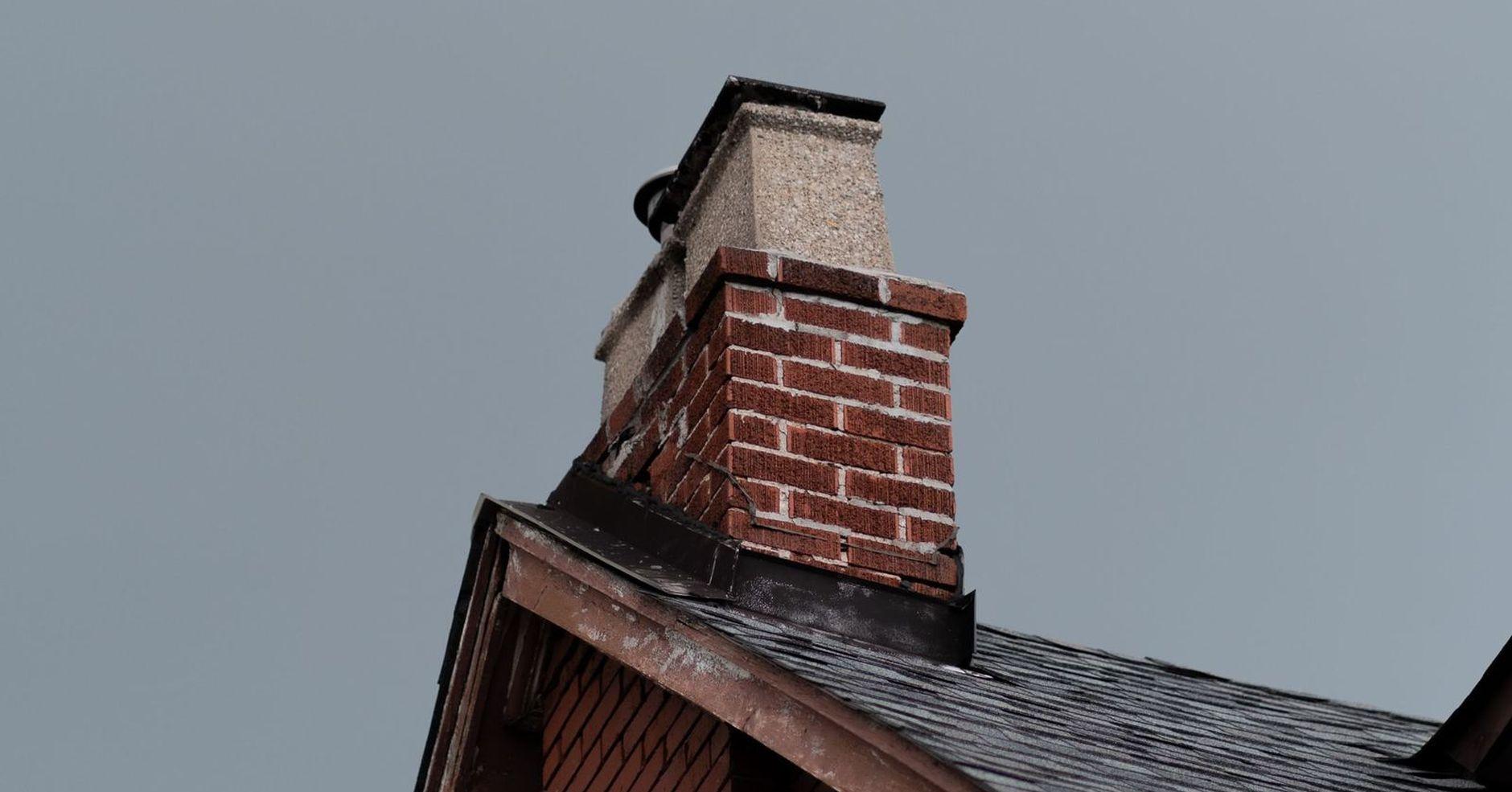
Where water gets into a chimney
There are five usual ways in, and a building can have more than one at once:
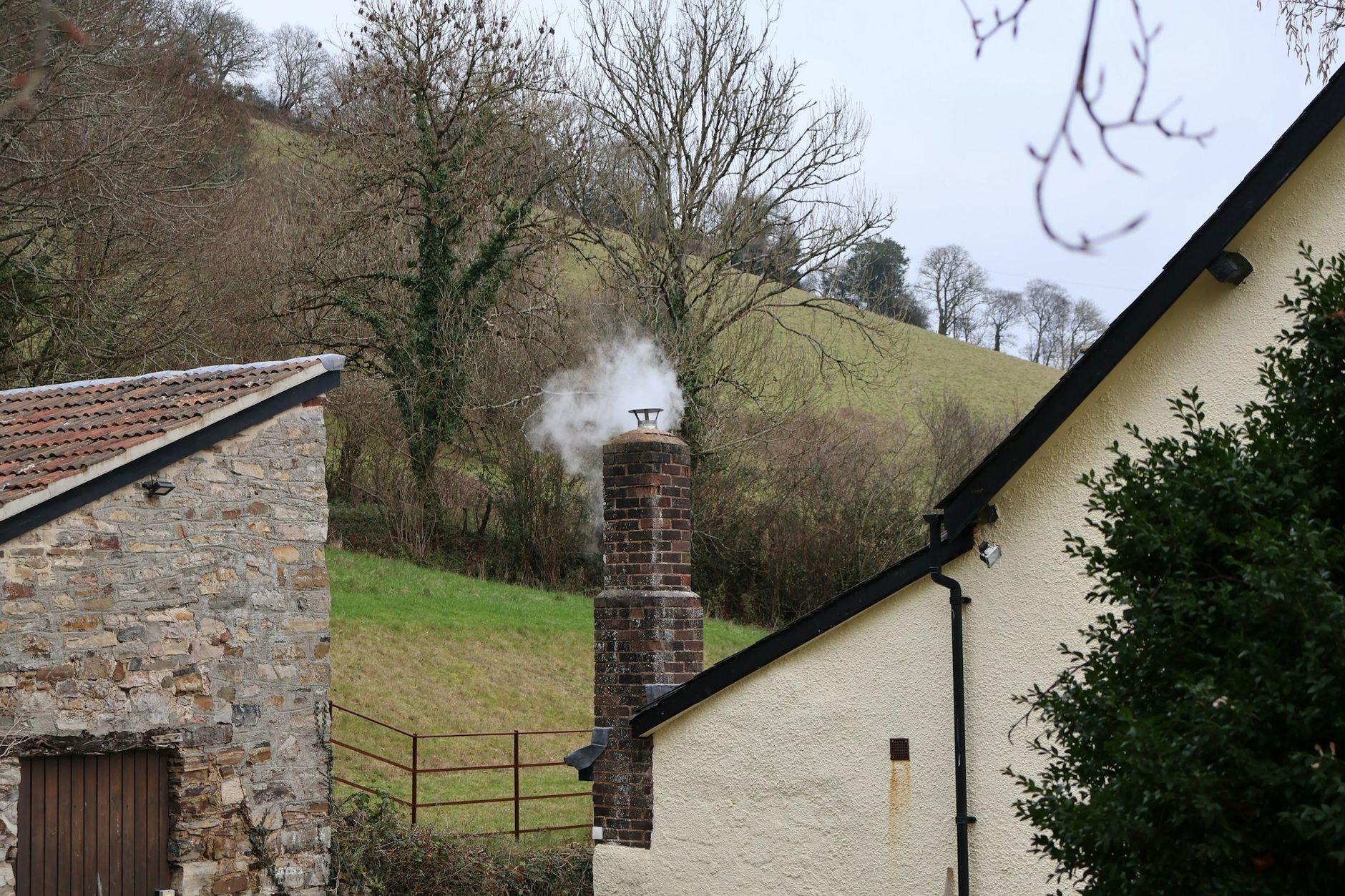
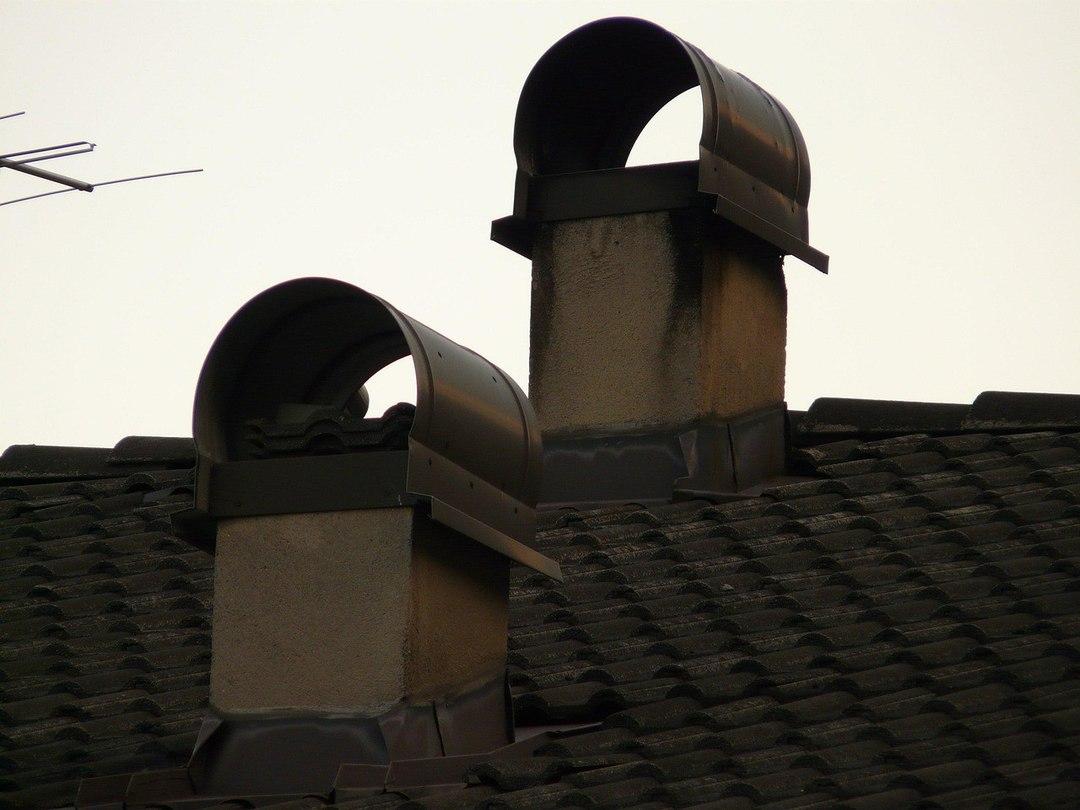
- The top. A crown with open cracks, or a flue with nothing over it, lets the first heavy storm in from above.
- The roof joint. The metal pieces that seal brick to roofing loosen, rust or lose their sealant, and water runs in behind them.
- The brick itself. Open mortar joints and brick faces that have flaked off drink water on every wet day.
- Behind a broad stack. Where a wide chimney interrupts the slope, runoff from above meets a wall of brick and has nowhere to go but sideways and down. A small sloped diverter, called a cricket, splits that flow.
- From inside. Gas exhaust cooling in an old unlined flue leaves water on the tiles, and that can look a lot like a leak.
How we trace it in a building
We start inside, unit by unit: where the stain is, whether it grows after rain, whether it is wet right now. Then the roof and the stack top: crown, cap, the roof joint and the brick. Where the building has an attic, we follow the chimney through it. If the source is still unclear, we run a controlled water test, section by section, checking the affected unit between sections.
Every unit with a stain gets a page, tied to the chimney and the entry point we found. That record matters later, when an association decides whether the repair is a common-area cost or an owner's.
Repair prices
Leak and cricket work have published ranges. The cap is quoted after we measure.
| Fix | Installed price |
|---|---|
| Tracking down a chimney leak and sealing it | $565 to $3,400 |
| A cricket to split runoff at a wide stack | $450 to $1,020 |
| Cricket built with fresh flashing at the base | $680 to $1,700 |
| Covering an open flue with a cap | quoted after we measure |
The low end of the leak range is a single source within easy reach, such as a short run of failed metal at the roof joint. The biggest job is a tall or steep stack letting water in at several points at once. Cap prices differ mostly with size. A cap over a whole multi-flue top, common on apartment buildings, costs more than one over a single flue.
Other fixes, such as a new crown, rebuilt brick above the roof or a waterproofing treatment, depend on size and condition, so they come as a written figure for that chimney once we have looked at it.
Getting a figure for your building
The form at the top of this page starts it. Give the address, which units show water and roughly where (a ceiling, a wall beside the fireplace, inside the firebox), and whether it appears in every storm or only when the wind is strong. We reply with a time to trace it and, once we have, a written repair figure per chimney.
One stack, several owners
In a condo building, the chimney top is often common property while the fireplace inside a unit belongs to the owner. Our report keeps those apart: the entry point and the fix go on the chimney's page, and the damage goes on each unit's page. That helps an association and its owners settle who pays for what, without us taking a side.
Why it cannot wait for the dry months
Rain in Los Angeles County comes in a handful of heavy storms rather than a steady drizzle. A leak can stay quiet for months and then soak a ceiling in a single night. Each wet season also pushes water deeper into mortar and framing, so a crown or roof joint that was a small job one winter can be a bigger one the next. Booking the trace while the stain is fresh also makes the source easier to find.
After the repair
Once the source is sealed, stained drywall in the units can be dried and painted by your usual trades. After the next heavy rain we can come back, look again and add a dated note to each affected unit's page, so the record shows the leak closed.
Related pages
The repair itself is described on chimney leak repair, with more on the roof joint at flashing repair and the top of the stack at crown repair. For a building with a long list of chimney items, the up to code page shows how to split them into stages.
Starting
When water turns up in more than one unit, go to the contact page and we will follow it back to the chimney it came from.
Every Fireplace on One Record
Whitley Chimney Care visits each unit on your list, climbs the roof once for all the stacks and files a page per fireplace. Visits are routed from Maywood to Huntington Park, Bell, Cudahy, Montebello and further across the county.